
Symbolic Play and Cognitive Development
What does the research say about the relationship between pretend play and cognitive development in children? More than most parents realise — and the implications are practical.
Archive
Posts drawing on research and practice around children’s play — why it matters, what it develops, and how the right toys and environments support it.
What does the research say about the relationship between pretend play and cognitive development in children? More than most parents realise — and the implications are practical.
Meaning is not a luxury — not something you get to once the practical matters are settled. It is a primary need, as real as hunger. And like hunger, nothing else satisfies it. This is the first in a series on how meaning is made — and why narrative thinking, play, and story are at the center of it.
Symbolic play — pretend play, make-believe, small world play — is one of the most important things a child can do. Here is what the research says about why it matters and how adults can support it.
A practical guide for parents on why pretend play matters and what adults can do — and avoid doing — to help children engage in it more deeply and more often.
Play and entertainment are not the same thing — and the difference matters enormously for children aged 3-5. Here is what make-believe play does for young children that nothing else can replace.

Psychologists use play as both a diagnostic tool and a therapeutic one. Here is what parents and caregivers can learn from that — and how the right play environment supports children through difficult experiences.
Adults often inadvertently interrupt or undermine children’s pretend play. Here is what the research suggests about how to support it instead — and what to avoid.

Rachel Carson argued that a sense of wonder, once established in childhood, is a lifelong protection against boredom, disenchantment and alienation from the natural world. Here are six ways to cultivate it.
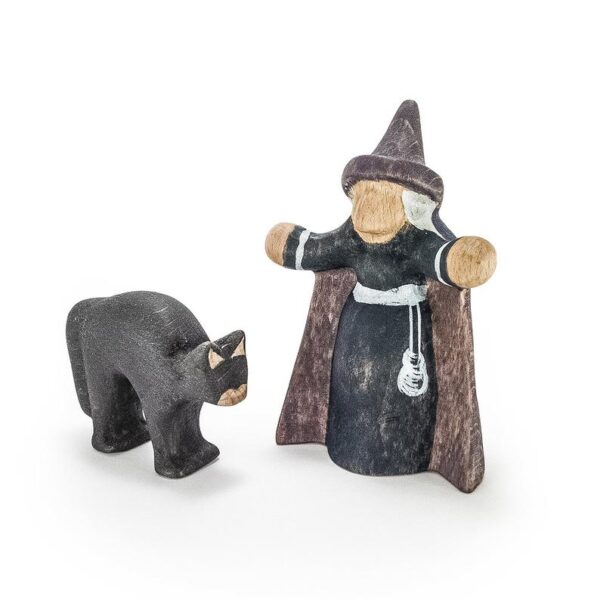
How do children learn about evil, fear and moral ambiguity — and what does Halloween, with its contradictory Christian and pre-Christian roots, have to teach us about that process?
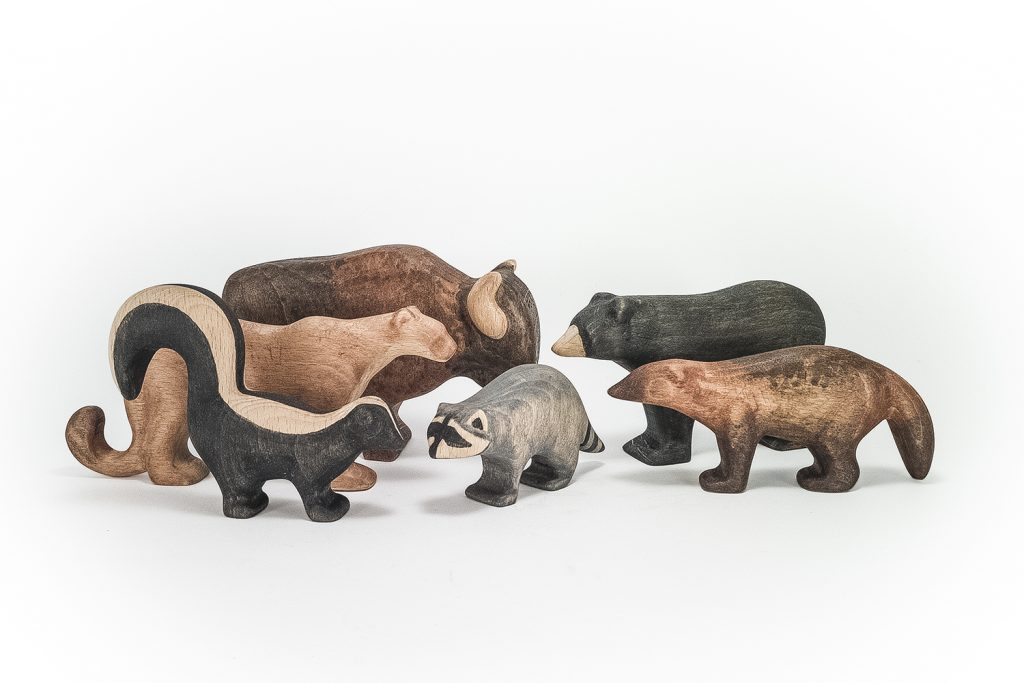
Toys made of hard wood are stronger and heavier. They retain their beauty after extensive use. Heavier toys aid children’s sensory development.