
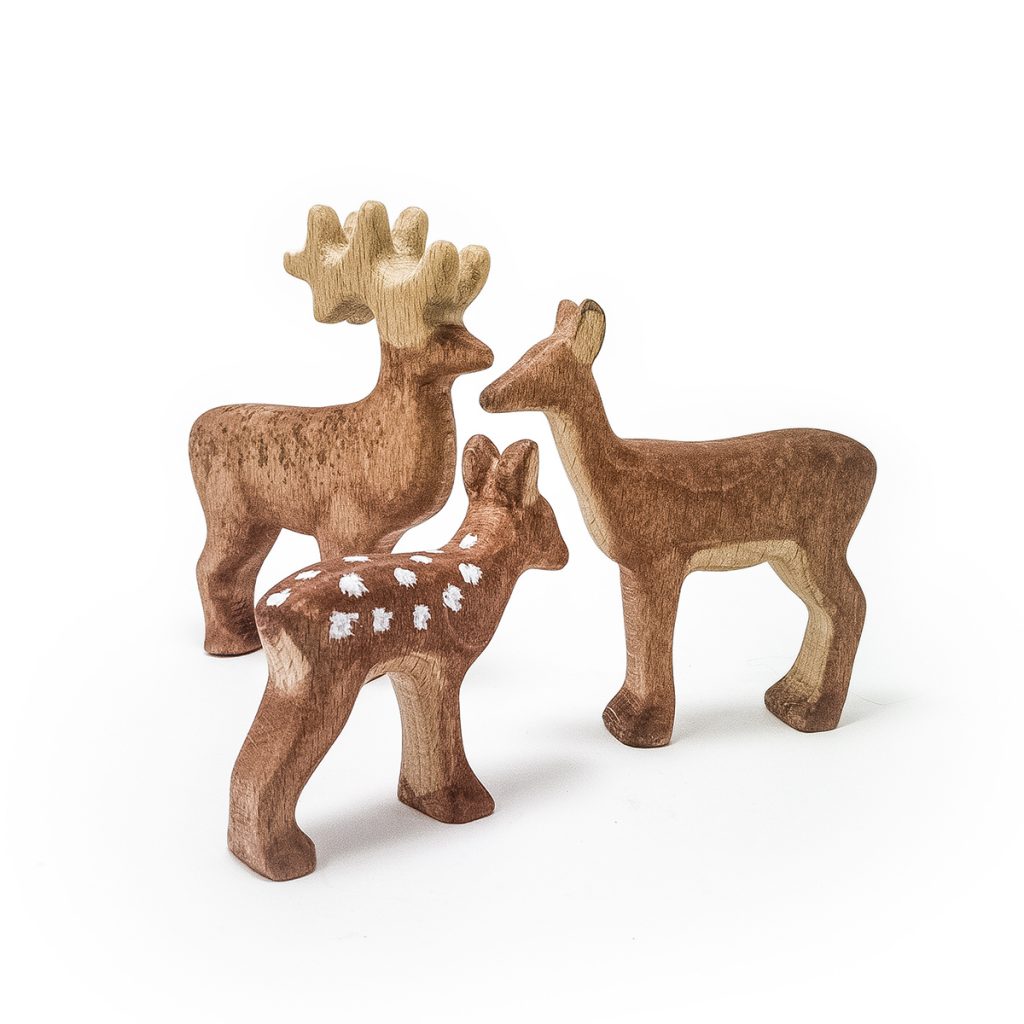
Playing with toy deer
Deer appear in the folklore and literature of cultures across the northern hemisphere — from Bambi to the Ural legend of Silver Hoof. Here is how their natural history and stories can enrich play with wooden deer figurines.
Archive
Posts on what makes a good toy, how toys are designed and used, and why material, realism, and open-ended play all matter more than most people think.
Deer appear in the folklore and literature of cultures across the northern hemisphere — from Bambi to the Ural legend of Silver Hoof. Here is how their natural history and stories can enrich play with wooden deer figurines.
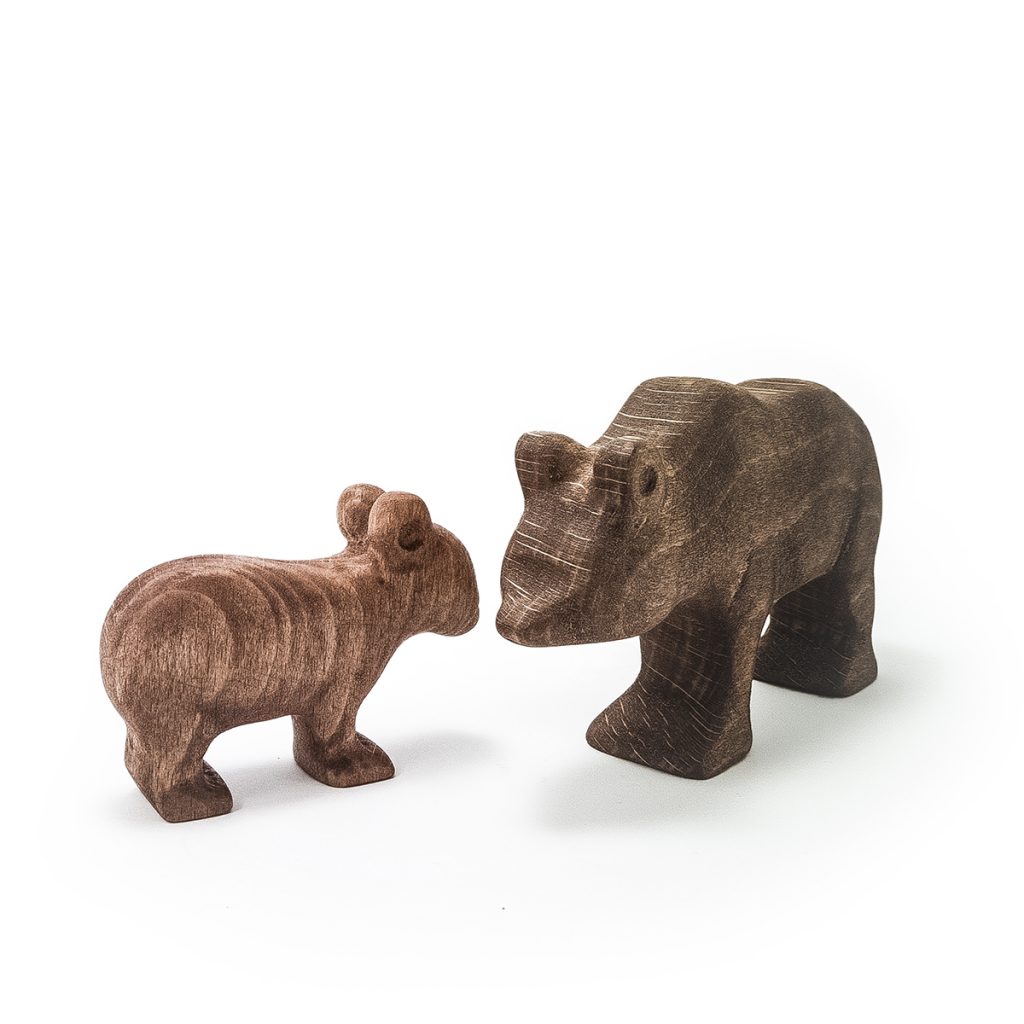
Bears have populated human folklore, literature and art for millennia — from Masha and the Bear to Winnie-the-Pooh to the Brothers Grimm. Here is how their biology and stories can make play with wooden bear figurines deeper and longer-lasting.
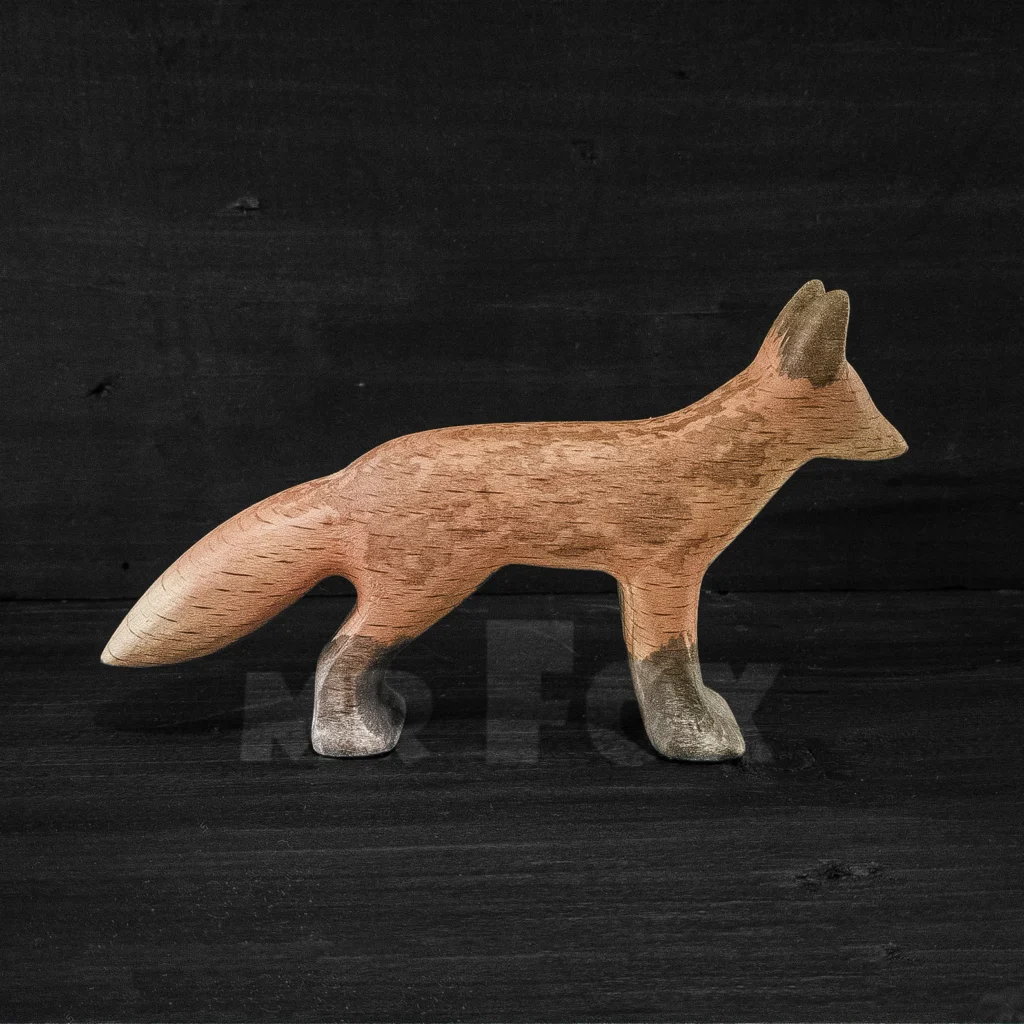
The fox is one of the most storied animals in world folklore — trickster, survivor, shape-shifter. Here is how its natural history and cultural significance can enrich children’s play with wooden fox figurines.

Sheep and lambs have been central to human life for thousands of years — in agriculture, religion, art and literature. Here is how that rich background can inform and enrich children’s play with wooden sheep figurines.
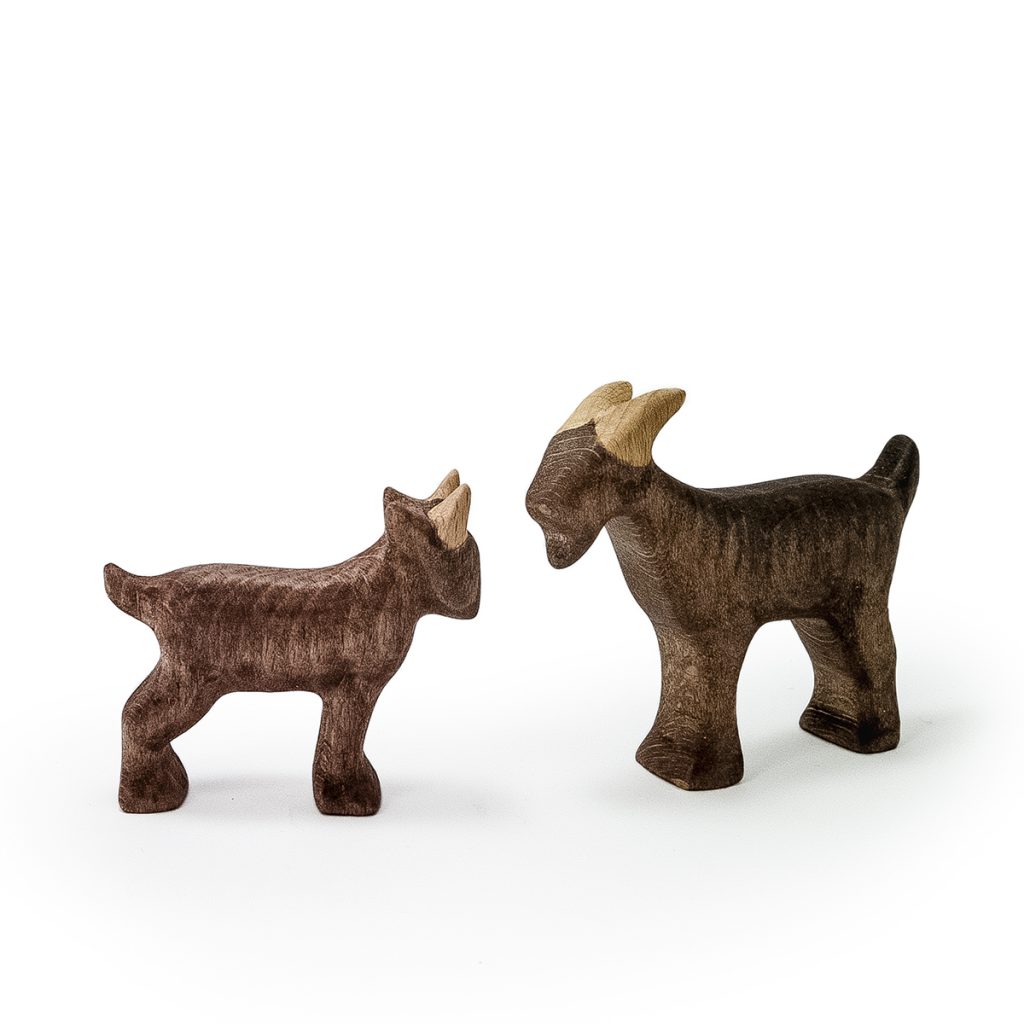
Goats are among the oldest domesticated animals and figure prominently in folklore from Three Billy Goats Gruff to West African tales. Here is how their natural history and stories can make play with wooden goat figurines more meaningful.
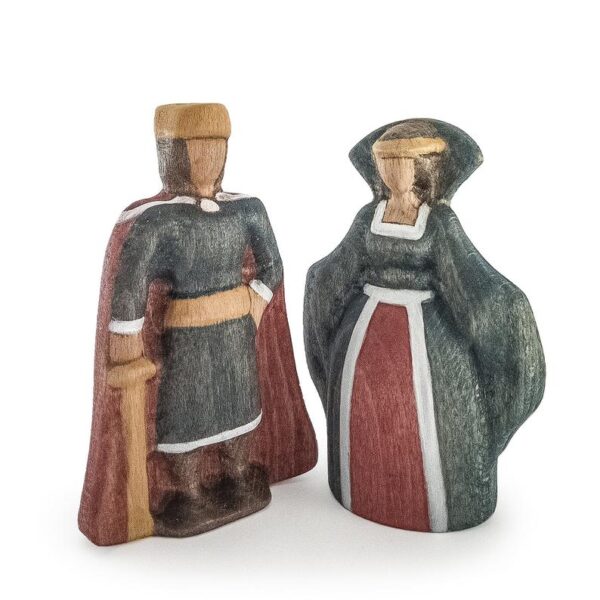
Why do Mr Fox Crafts figurines have no facial features? The answer is rooted in play research, design philosophy and a deliberate commitment to open-ended imagination over fixed character.
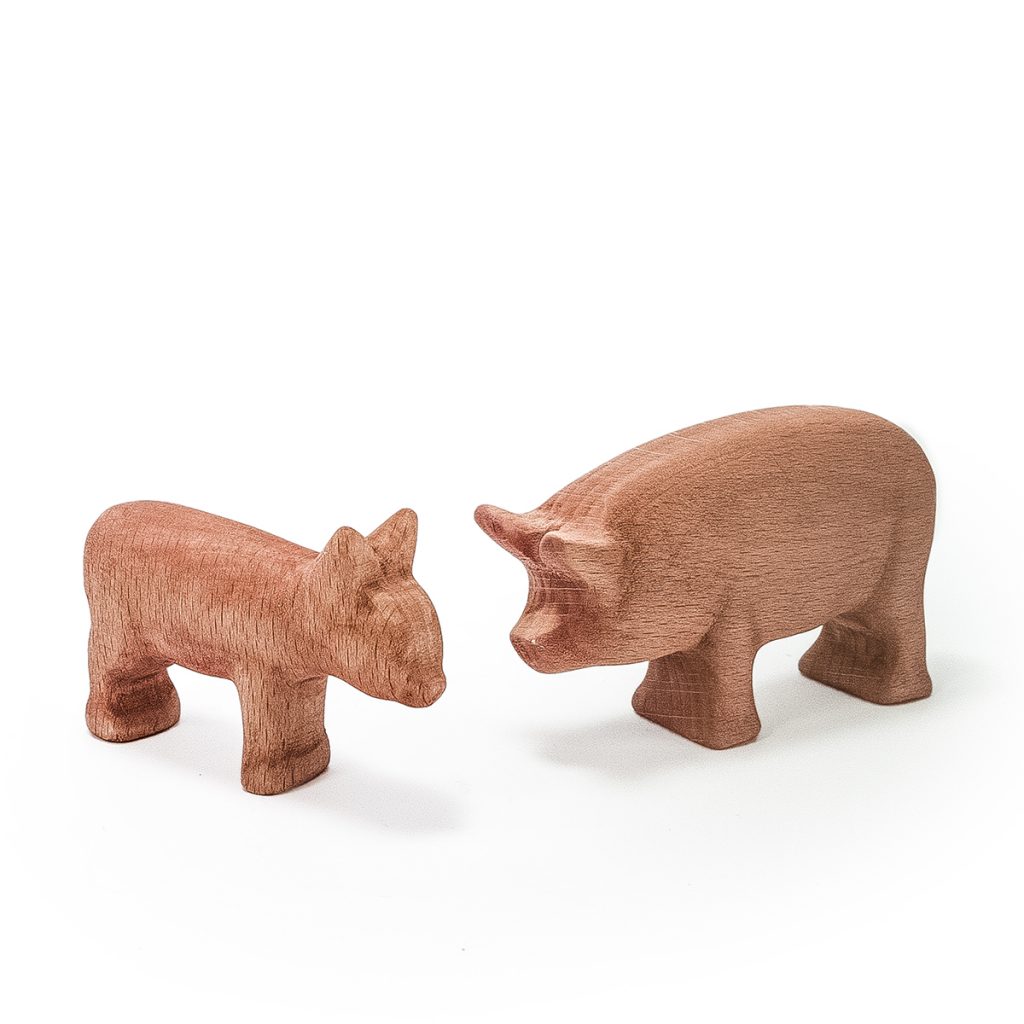
Pigs are among the most intelligent domesticated animals — and among the most culturally significant, appearing in everything from Aesop’s fables to Orwell. Here is how that makes wooden pig figurines richer play props than they might first appear.