
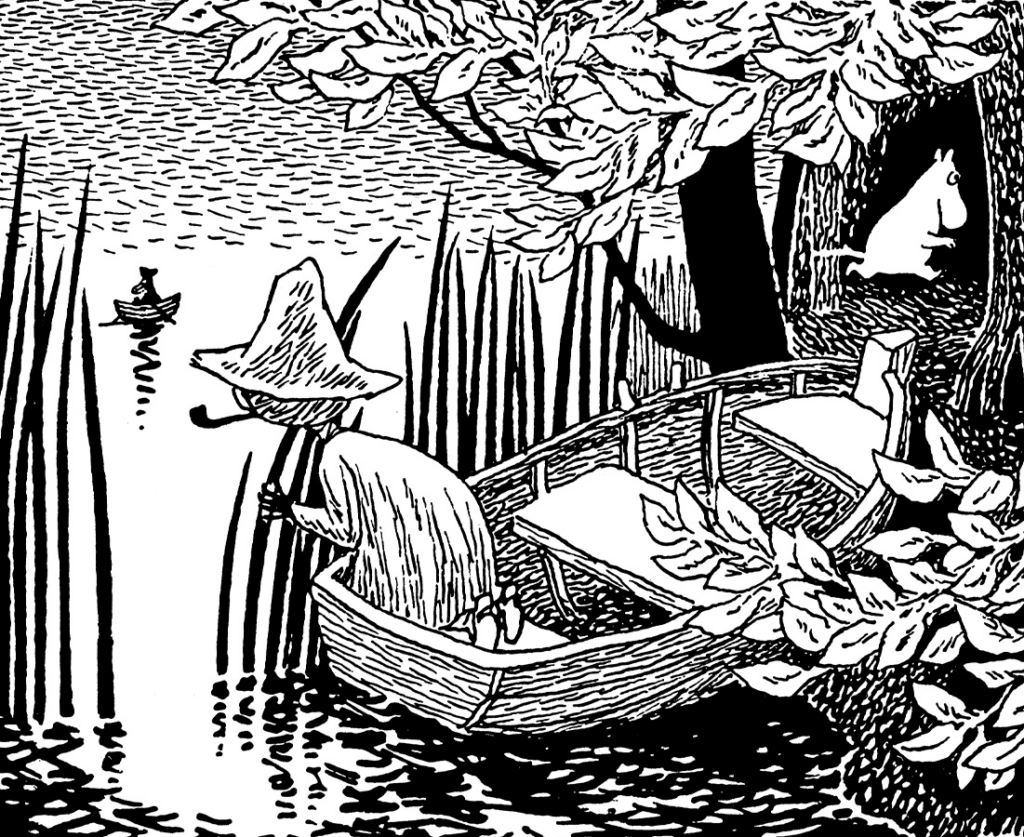
Moominsummer Madness
Moominsummer Madness is chaotic, funny and surprisingly moving — a Tove Jansson novel about theatre, freedom and finding your place. Here is why it makes an excellent summer read aloud.
Journal
Notes on play, child development, literature, craft, and the thinking behind Mr Fox Crafts.
Moominsummer Madness is chaotic, funny and surprisingly moving — a Tove Jansson novel about theatre, freedom and finding your place. Here is why it makes an excellent summer read aloud.
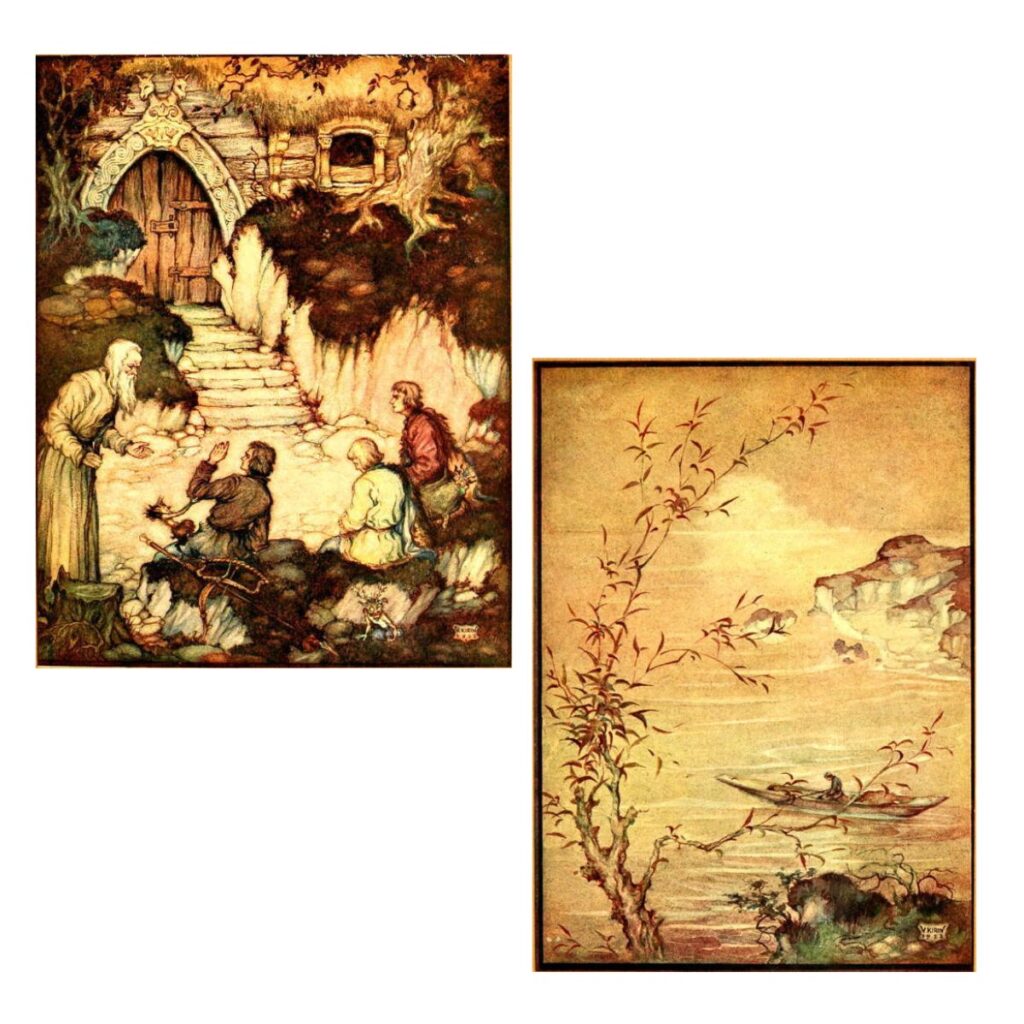
Tales of Long Ago by Ivana Brlić-Mažuranić is a masterpiece of Slavic folklore, sometimes called the Croatian answer to Tolkien. Here is why it belongs on every family’s shelf.
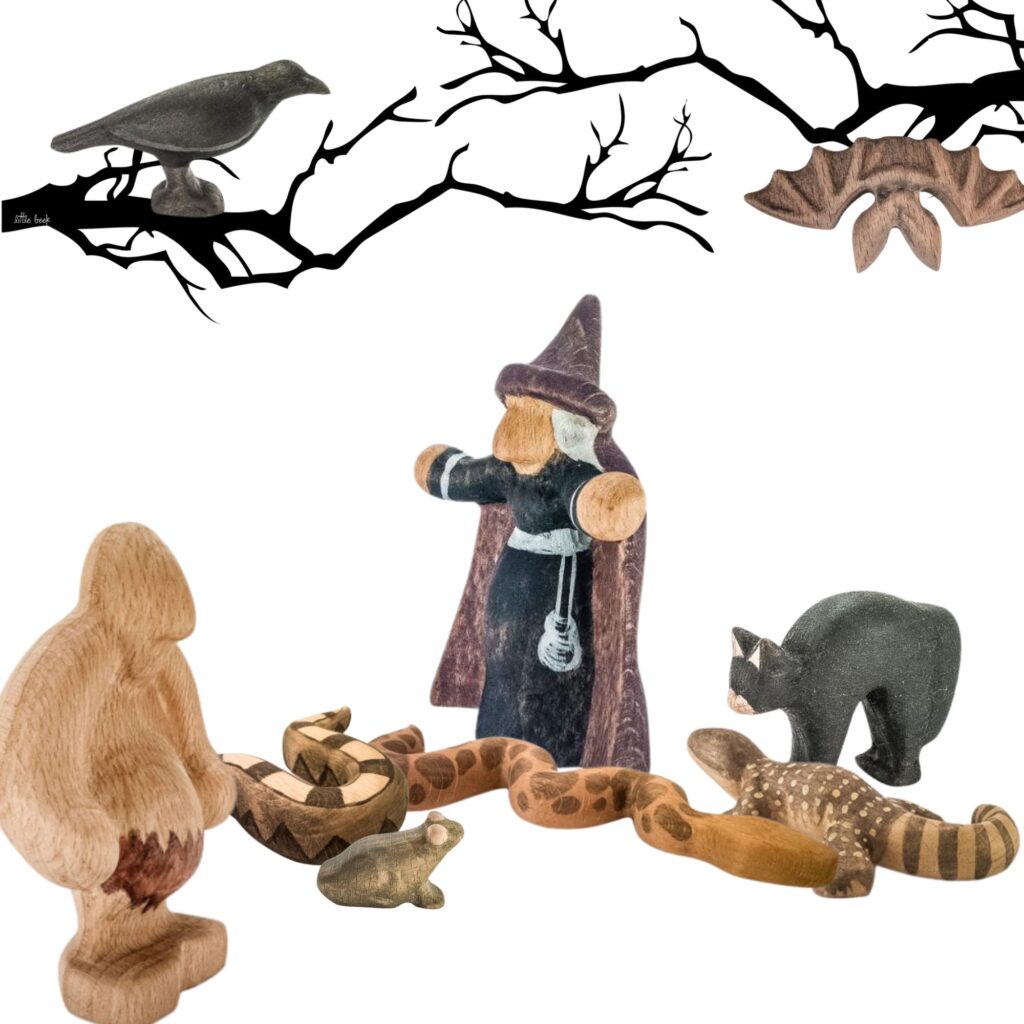
Halloween’s Christian and pre-Christian roots, what children actually need when confronting scary things, and three concrete points to help families approach the holiday more thoughtfully.

Psychologists use play as both a diagnostic tool and a therapeutic one. Here is what parents and caregivers can learn from that — and how the right play environment supports children through difficult experiences.
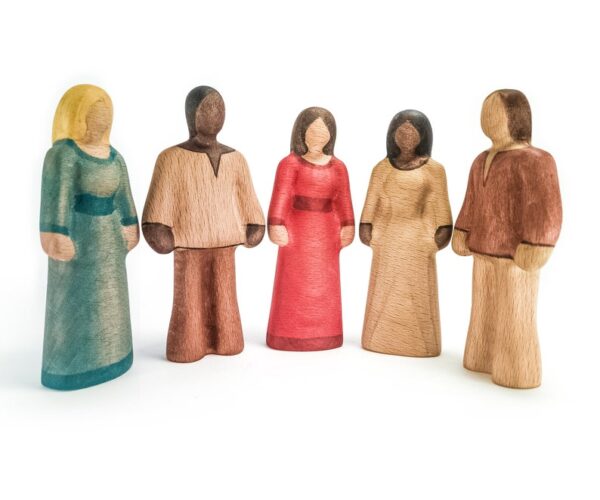
The sustainability argument for wooden toys goes well beyond the obvious. Here are the less-discussed but more significant reasons why material choice in toys matters for the long term.
Lagom — the Swedish concept of balance and moderation — became a lifestyle trend. Before adopting it, here are seven things worth understanding about where it comes from and what it actually means.
Angels in their original theological and artistic tradition are neither sweet nor decorative. Here is a serious look at what they are, where the idea comes from, and why the modern image bears little resemblance to the original.
Danny, the Champion of the World features a father who breaks the law and teaches his son to do the same. Here is why, controversy aside, it is one of Roald Dahl’s most valuable books for children.
Adults often inadvertently interrupt or undermine children’s pretend play. Here is what the research suggests about how to support it instead — and what to avoid.
Rachel Carson argued that a sense of wonder, once established in childhood, is a lifelong protection against boredom, disenchantment and alienation from the natural world. Here are six ways to cultivate it.