
Symbolic Play and Cognitive Development
What does the research say about the relationship between pretend play and cognitive development in children? More than most parents realise — and the implications are practical.
Journal
Notes on play, child development, literature, craft, and the thinking behind Mr Fox Crafts.
What does the research say about the relationship between pretend play and cognitive development in children? More than most parents realise — and the implications are practical.

Some reasons why a well-made, durable toy is a more considered baby shower gift than most — and why the parents will still be grateful for it years later.
Meaning is not a luxury — not something you get to once the practical matters are settled. It is a primary need, as real as hunger. And like hunger, nothing else satisfies it. This is the first in a series on how meaning is made — and why narrative thinking, play, and story are at the center of it.
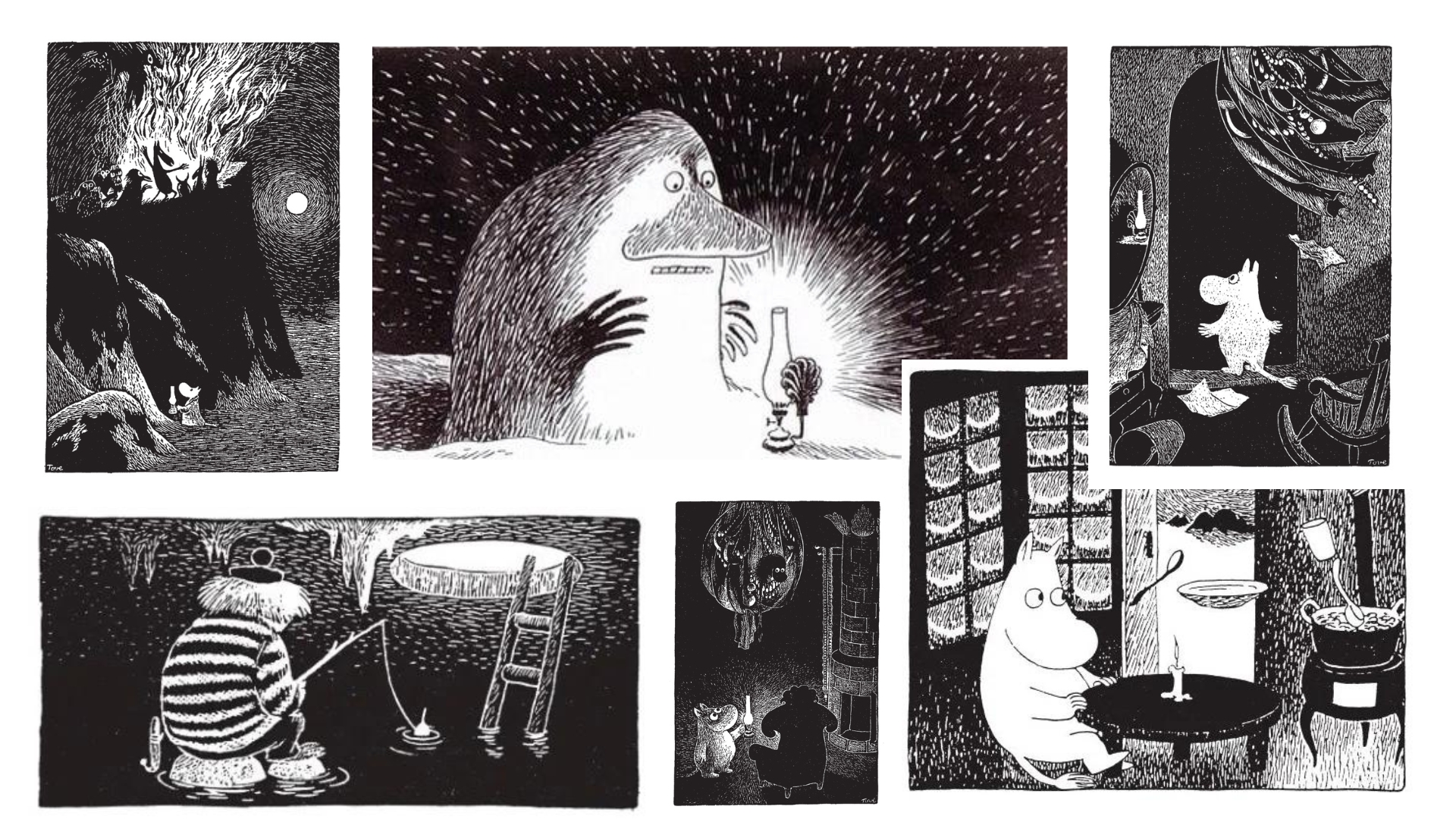
Moominland Midwinter is the darkest and most philosophical of Tove Jansson’s Moomin books — and arguably the richest family read of the series. Here is why it deserves a place on your winter shelf.
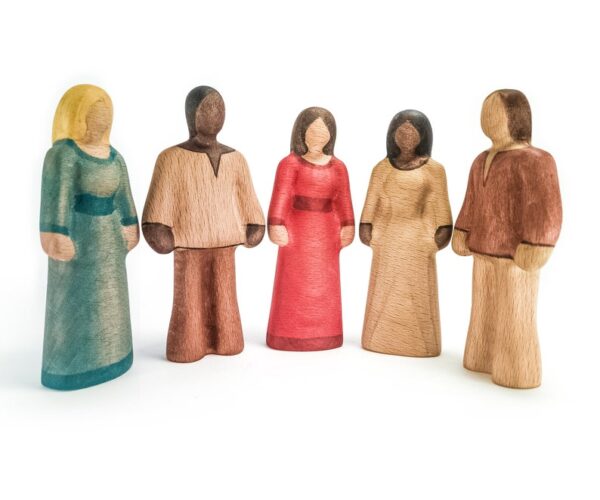
Symbolic play — pretend play, make-believe, small world play — is one of the most important things a child can do. Here is what the research says about why it matters and how adults can support it.
A practical guide for parents on why pretend play matters and what adults can do — and avoid doing — to help children engage in it more deeply and more often.
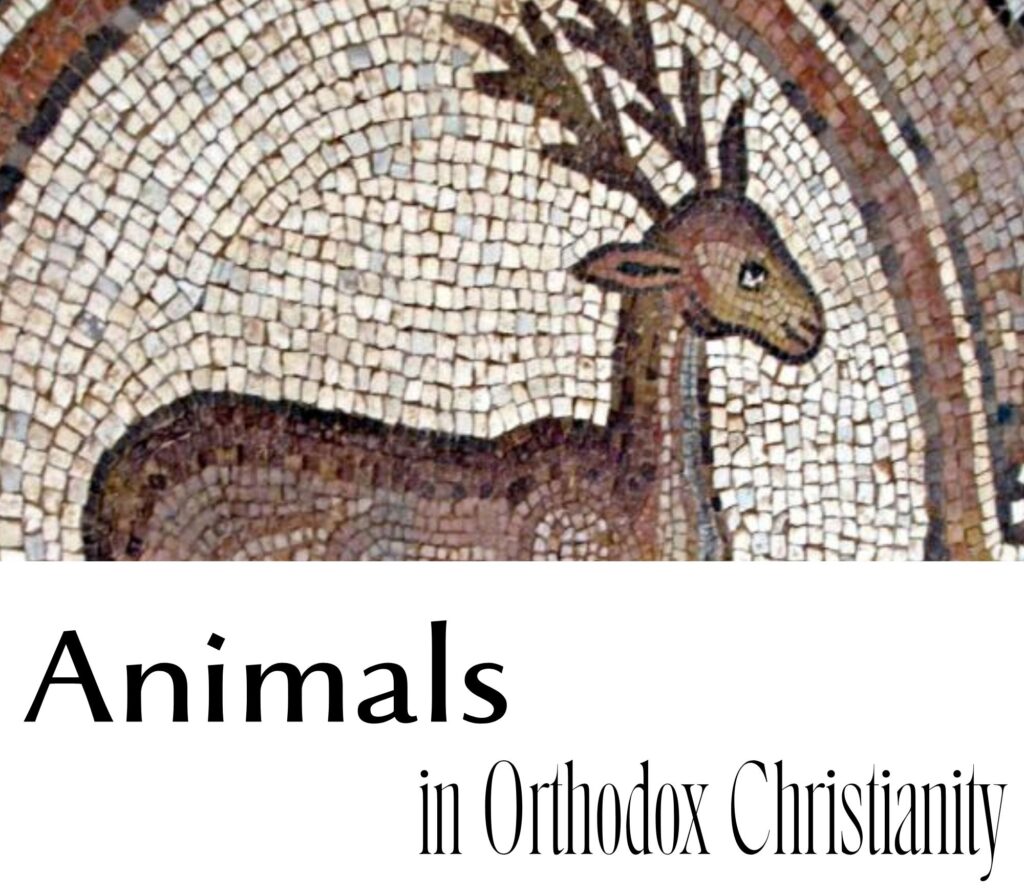
Animals appear throughout Orthodox Christian tradition — in iconography, in the lives of saints, in the church calendar. An exploration of how the natural world is woven into one of the world’s oldest Christian traditions.
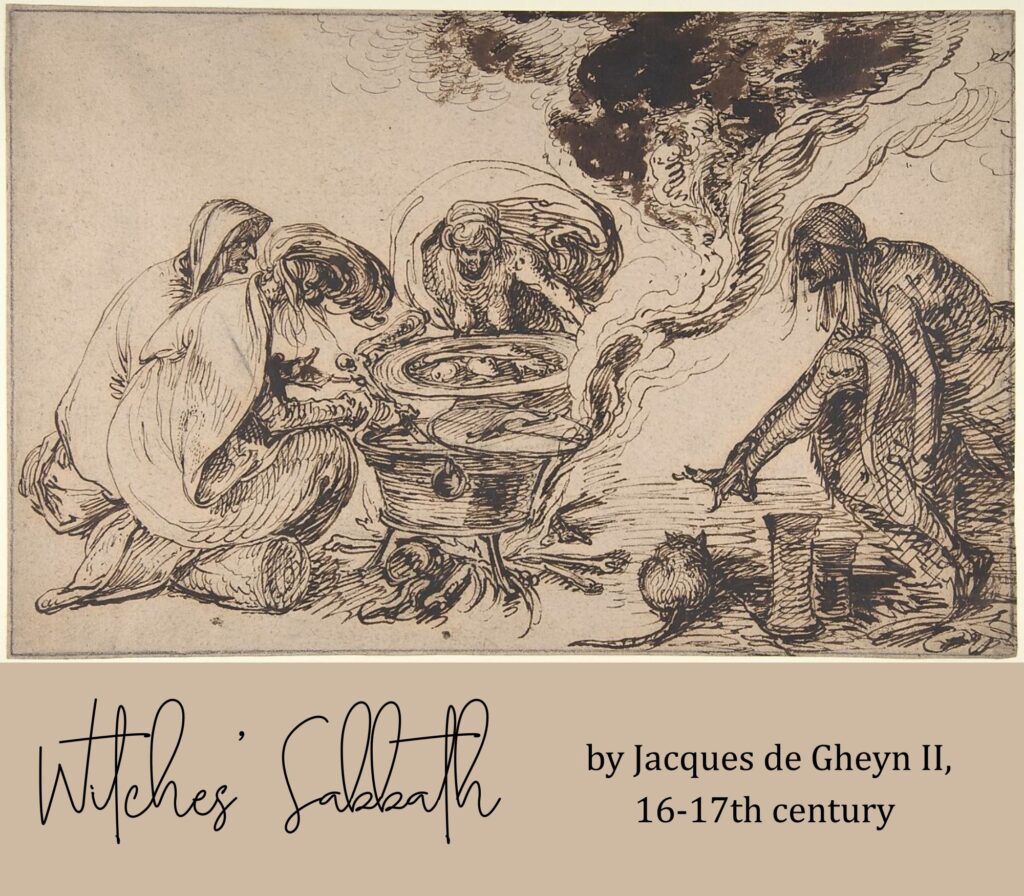
The first in a series drawing on Ralph and Adelin Linton’s scholarly study of Halloween — tracing the holiday from its Celtic and Christian roots through centuries of transformation to its modern form.
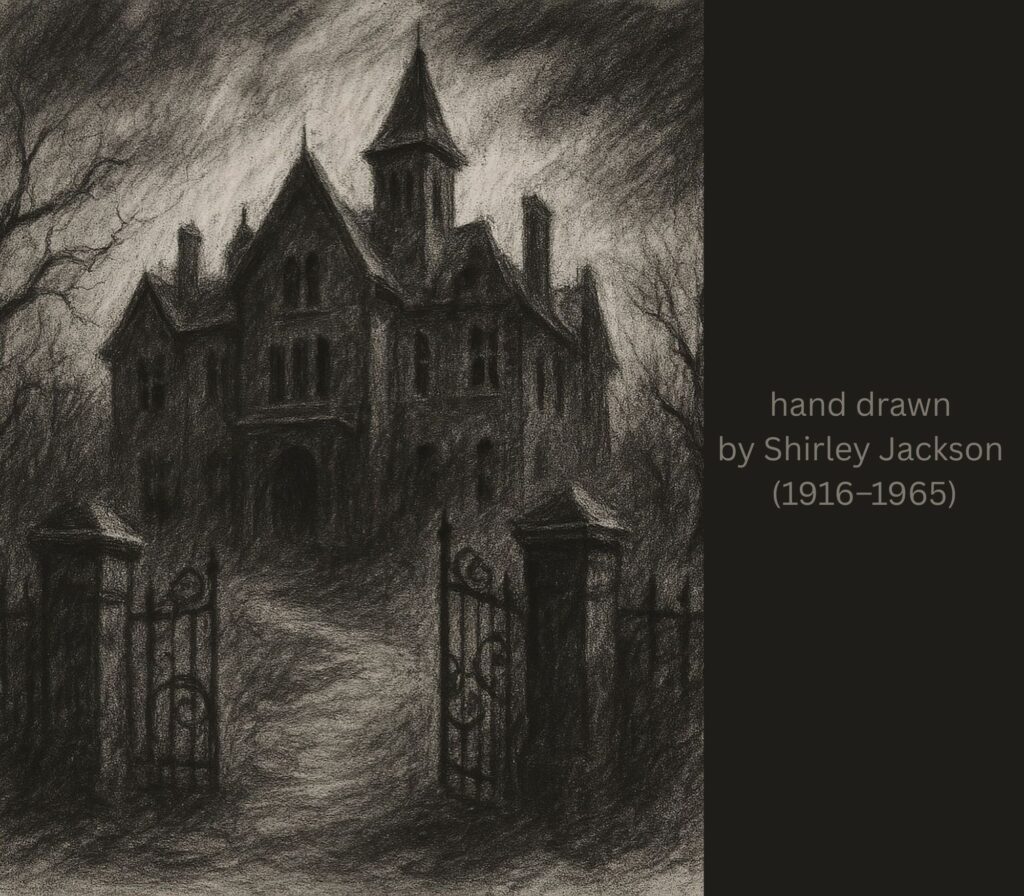
An introduction to our series on the history of Halloween — why a toy maker from Bulgaria is reading forgotten 20th-century scholarship on one of the world’s most contradictory holidays.
Play and entertainment are not the same thing — and the difference matters enormously for children aged 3-5. Here is what make-believe play does for young children that nothing else can replace.